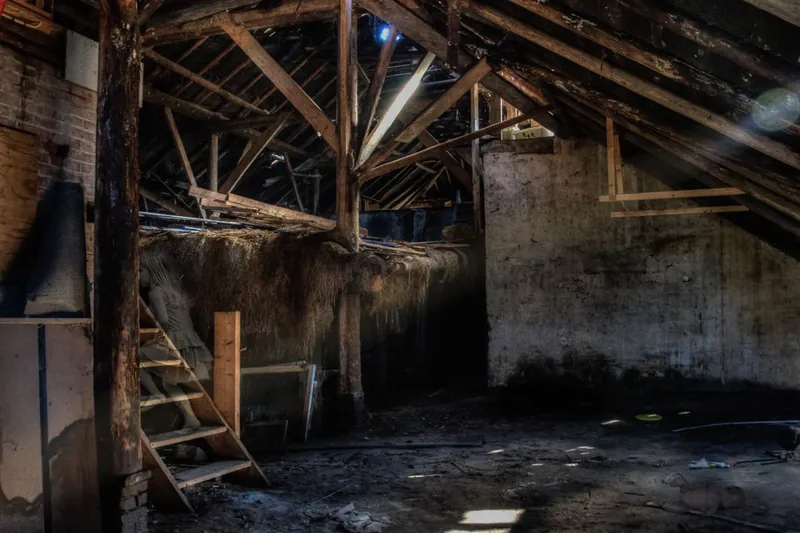
Bird and Bat Guano Cleanup
Bird and bat guano cleanup and disinfection in attics and structures.
See bird and bat guano cleanupGet mouse and rat droppings, urine, nests and soiled insulation removed from an attic, crawl space, garage or home in Greenbriar. Dry waste is wetted before removal to keep particles from spreading.
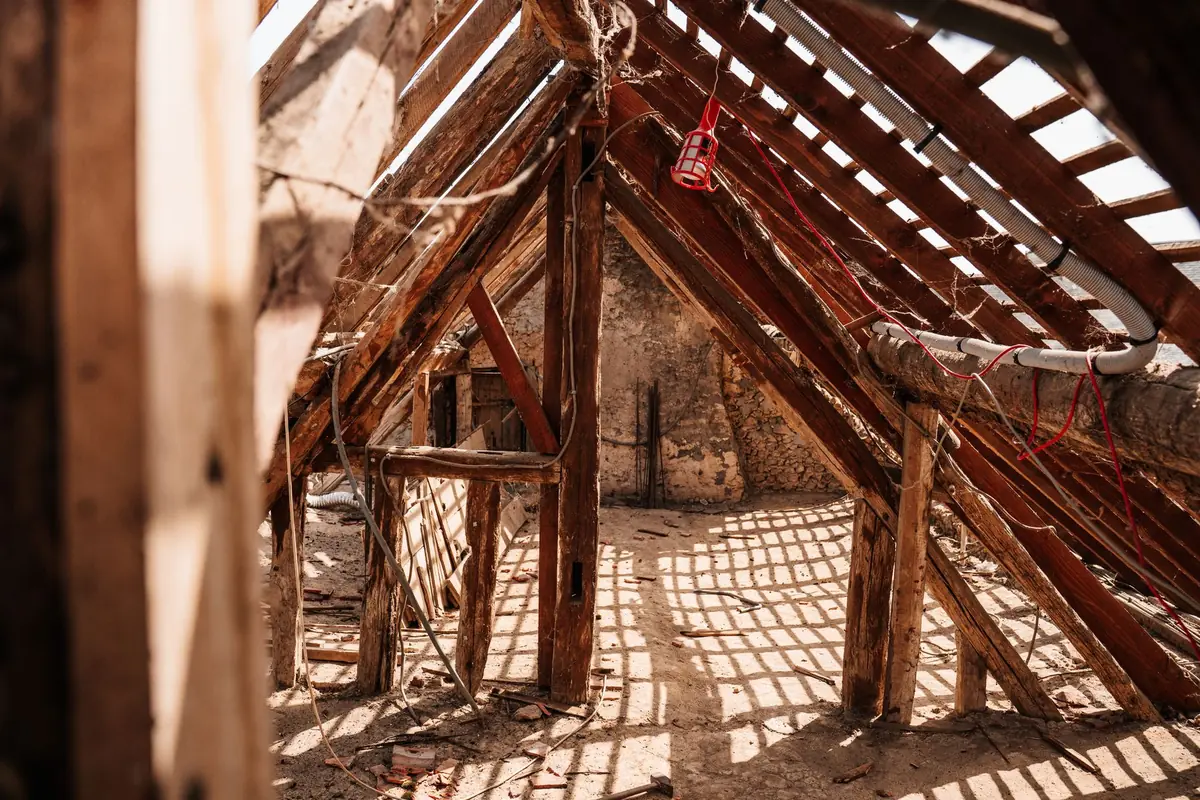
A rodent droppings cleanup uses controlled wet removal for mouse and rat waste, nests, urine and contaminated materials. It continues with surface cleaning, disinfection and odor treatment, then ends with an inspection of the affected space.
An attic, garage, basement, crawl space, living area, storage room, pantry, cabin or shed may be part of the job. Visible pellets are only one concern. Nest debris and urine can remain along the edges of walls, under insulation and behind stored cartons. The purpose of this biohazard cleanup is to address contamination remaining from rodent activity.
This process varies by site, yet it never treats the job as routine sweeping. Vacuuming, blowing and brushing are avoided while droppings or nests remain dry. A suitable disinfectant is used to wet them, and the complete contact time listed on its label passes before pickup with disposable tools. The work includes cleaning and disinfecting hard surfaces, plus assessing contaminated porous items for removal. Pest treatment and repairs to entry points are separate measures for preventing renewed rodent activity.
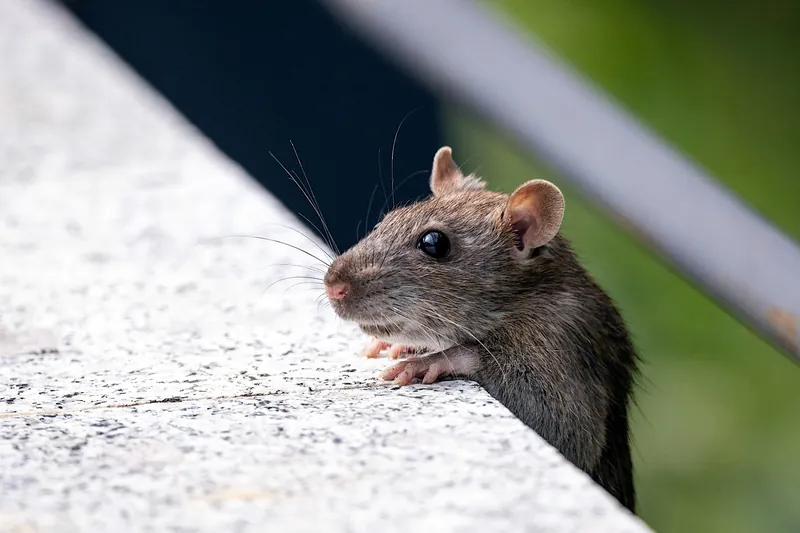
Personal property is checked by material and condition. Items are not treated as waste simply because they were stored near the affected area.
Photos, the work scope and a list of removed materials can be organized for property owners, landlords and insurance companies when requested.
Calls are answered day and night, and crews can arrive in unmarked vehicles. Your circumstances can be discussed respectfully while cleanup remains discreet.
Before cleanup starts, you get details about treatment areas, possible material removal and conditions that may affect the work scope.
Consider professional cleaning if the affected material covers a broad area, has entered porous items or cannot be reached easily. Situations commonly include:
When a seasonal home remains unused, more than one room or storage area may collect dry droppings and nests.
Shelves, packages and nearby food-contact areas may be affected when urine or droppings appear in storage spaces or cupboards.
After active rodents are addressed, the property may still need removal of waste, disinfection, odor work and sorting of contaminated materials.
Low clearance, exposed soil, pipes and limited ventilation can make wet removal and safe movement harder than cleaning an open room.
Before cleaners arrive, focus on stopping dry debris from entering the air or being tracked to unaffected rooms. Follow these steps:
Call (888) 440-9227HazardPros lists a rodent cleanup benchmark of $150 to $600 and a waste removal and disinfection benchmark of $600 to $1,000. Its attic cleaning benchmark with insulation replacement is $2,200 to $6,200. These are planning ranges, not a fixed quote. The final price depends on the size, access, insulation, odor and amount of waste.
These national ranges are taken from published cost guides, rather than a property visit. After an on-site assessment, the price for your property is determined and shared with you before cleanup begins.
Ask about cost: (888) 440-9227Your policy, damage source and the insurer's classification determine coverage. The insurer may view the condition as damage that developed from pests over time, or as a covered event.
A claim may be supported by pictures, receipts, detailed cleanup plans and records of everything taken out. Ask the insurer what records it wants before work begins when practical. Clear records support you as you move forward with your claim.
Notify the owner or property manager that contamination is present. The source of contamination, building condition, rental agreement and relevant local rules can determine who organizes and funds the work.
Your insurance company can explain if damaged insulation removal, cleanup and repairs fall within coverage. Some policies exclude gradual damage caused by pests, although terms vary between contracts.
Check your company's property insurance together with the rental agreement. Keep employees and customers outside the affected area while cleanup and insurance coverage are assessed.
A controlled sequence helps prevent dry rodent debris from spreading to adjacent areas. Rodent cleanup moves from assessment to wet treatment, removal and disinfection, and it concludes with a final inspection. Every stage and the complete scope are explained to you in advance.
Inspectors evaluate access to the rooms, attics or crawl spaces and record any affected nests, urine, droppings, vents, insulation and personal property.
The contaminated zone is contained away from clean rooms. Appropriate protective equipment and one managed entrance help prevent rodent debris from being carried through your property.
An enclosed area is ventilated when conditions allow safe airflow. Fans are not directed through contaminated dust, and unprotected people stay outside the work zone.
Nesting debris and rodent waste are soaked using an appropriate disinfecting product. The disinfectant is allowed to sit wet for its full labeled contact time prior to pickup.
Each portion is wet-cleaned in sequence, with waste lifted by throwaway tools and closed inside suitable bags. Contaminated material is kept from being shaken, brushed or moved across clean surfaces.
Insulation, cardboard, fabric or other porous material that cannot be fully cleaned may be bagged after you discuss and approve the removal scope.
Crews first clean accessible nonporous areas, then use an EPA-registered disinfectant and leave it on for the entire contact time. Crews take away the contamination first, then address air quality and lingering odor.
The area is checked for missed debris, residue and odor. You receive a work summary and can arrange separate restoration services or pest exclusion when necessary.
Phone any hour. A rodent droppings and hantavirus cleanup specialist answers, explains the steps and agrees a start time with you.
Germs may be present in rodent urine, nests and droppings. If this material is disturbed before it is wet, contaminated particles can enter the air and be inhaled. In dusty, enclosed areas especially, a heavy amount of contamination can pose serious health risks.
Porous materials such as unfinished wood, insulation and cloth can become urine-soaked. Odor and concealed contamination may remain inside porous contents after surface droppings are cleaned.
Some wild rodent species carry hantaviruses. Agitating contaminated urine, feces or nest debris can send particles airborne and expose people, so you should not vacuum or sweep the material dry.
Inside a confined room, fans and common cleaning equipment can push small dust particles into other areas. Closed attics, outbuildings and cabins can contain heavier layers of settled particles.
Can you clean it yourself? You may be able to address a small number of droppings in an accessible spot by using protective gear and wet cleaning. Use gloves and safe ventilation, thoroughly wet the feces with disinfectant and leave the product for its label contact time before wiping and containing the debris. Never sweep or vacuum dry. Seek professional cleanup if rodent waste is heavy, widespread, dusty, difficult to reach or spread through insulation and stored belongings.
Many sealed, hard surfaces can remain after cleaning. Removal may be necessary for absorbent items because urine, nesting debris or droppings can soak in and leave contamination below the top layer.
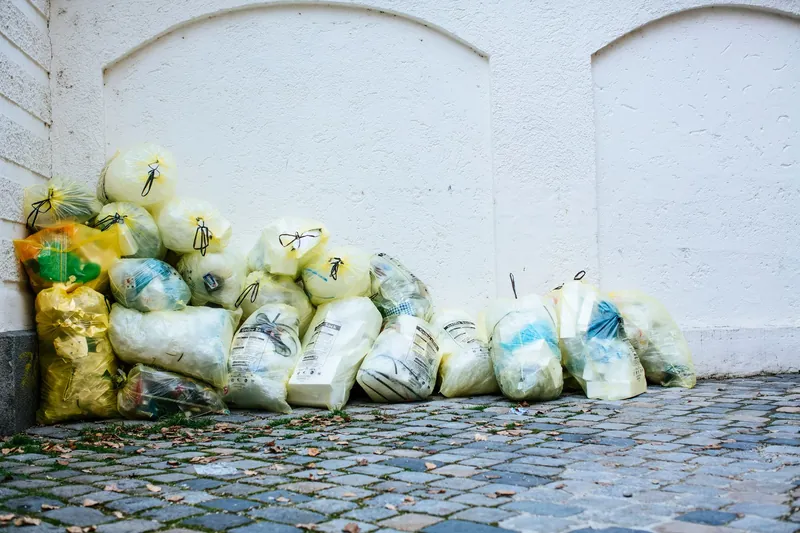
For a small and reachable area, rodent cleanup can take a few hours. A complete attic or crawl space commonly needs one to two workdays. Difficult entry, widespread insulation removal or heavy contamination may extend that schedule.
| Scene | Typical time on site |
|---|---|
| Small garage, shed or hard-surface area | Cleanup can often be completed in a few hours |
| Attic or underfloor area with a small removal scope | Often one to two workdays |
| Severe rodent activity requiring large-scale insulation disposal | More than two workdays could be necessary |
Finding the source comes first in rodent odor removal. Nests, urine, contaminated insulation and dead rodents may be hidden along wall edges, under stored belongings, next to ductwork or within cavities in the building. Scented products can briefly mask an odor. They cannot clean the underlying surface or take away contaminated material.
Once waste and contaminated porous items have been taken out, accessible hard surfaces undergo cleaning and disinfection. On a larger professional job, HEPA air scrubbers can assist with air quality, though removing the source remains necessary. Odor that comes back may indicate concealed material, ongoing rodent activity or an access point requiring separate repairs and pest control.
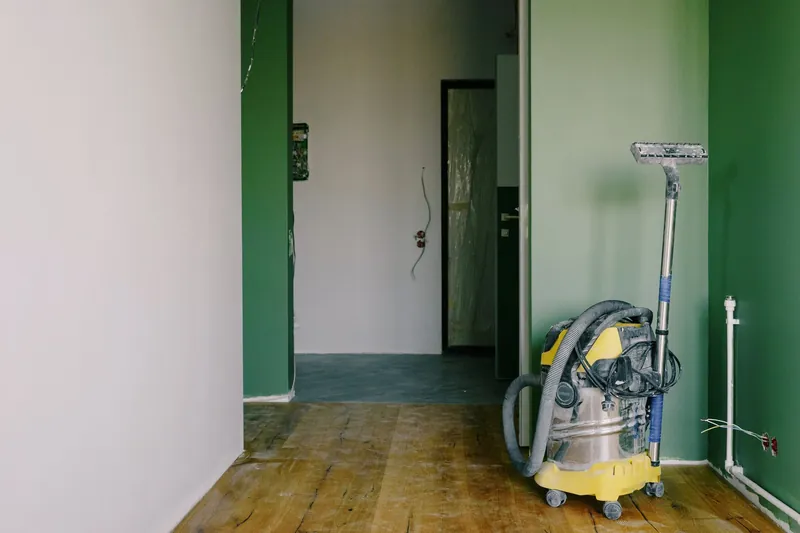
The full rodent droppings and hantavirus cleanup guide covers what is cleaned or removed, odor and air quality work, and the rules that apply in your state.
Read the full rodent droppings and hantavirus cleanup guideLocal population patterns, housing and site access may affect how containment and cleanup are planned.
Because renter occupancy is 11.7%, cleanup discussions often can focus on the household without a separate property manager involved.
The median home in Greenbriar was built in 1973, so cleanup may involve common drywall, carpet, and sheet flooring assemblies.
About 311 older residents live alone in Greenbriar, representing 43.2% of seniors and making regular welfare checks especially meaningful.
The 90.6% single-family share means odor may move through connected rooms and ventilation even without shared walls between households.
Ask on the call about cleanup options for neighboring communities and ZIP codes.
Bird and bat guano cleanup and disinfection in attics and structures.
See bird and bat guano cleanup
Dead animals are removed from vents, walls and crawl spaces, followed by odor cleanup.
See dead animal removal and cleanup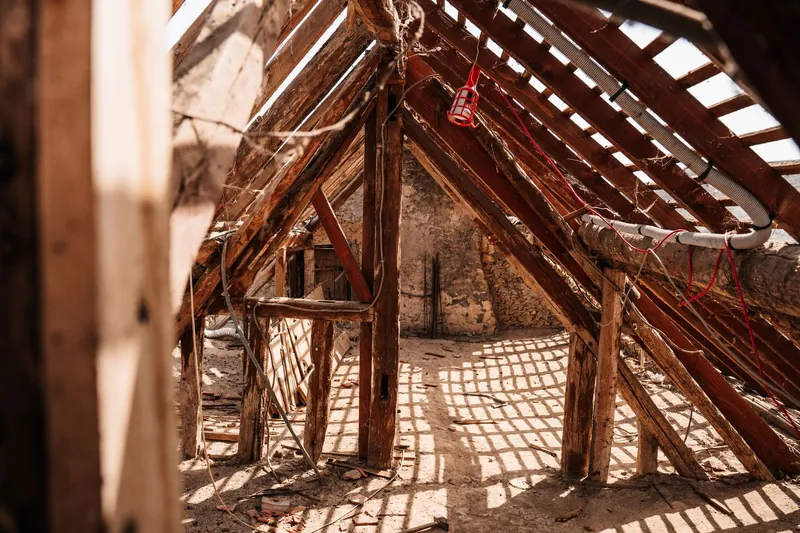
Urine-saturated materials, ammonia odor and waste are addressed through animal hoarding cleanup.
See animal hoarding cleanup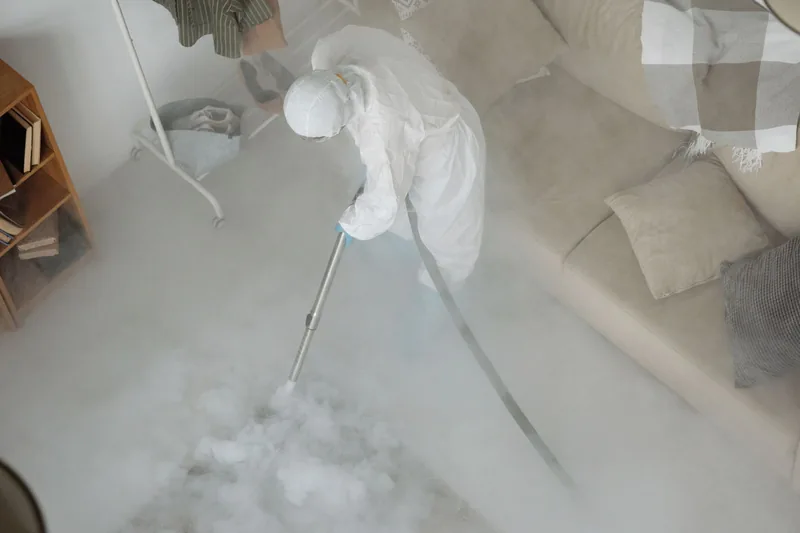
Full decontamination of rooms, surfaces and air after infectious or hazardous exposure.
See biohazard decontamination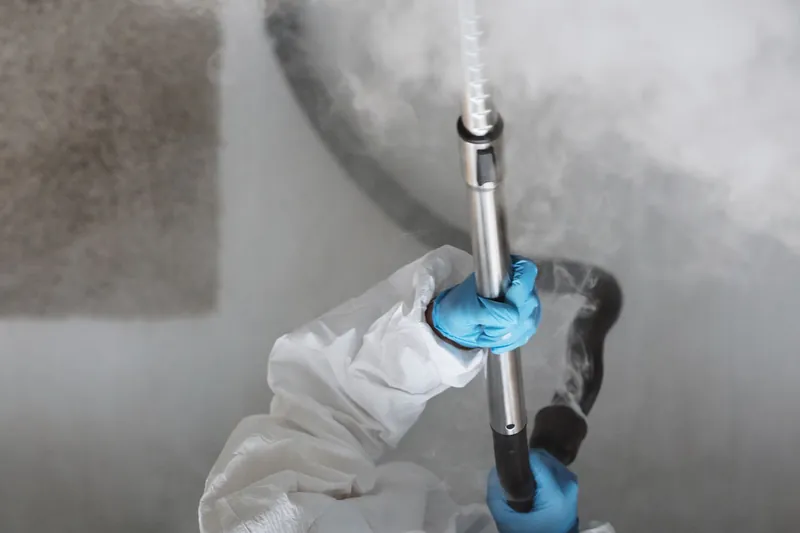
EPA-registered products are applied across all surfaces during infectious disease disinfection.
See infectious disease disinfection
Cleanup removes filth and squalor from homes that are no longer safe to occupy.
See filth and squalor cleanup
Biohazard waste pickup and disposal in sealed, labeled containers.
See biohazard waste disposal
Sewage cleanup in a crawl space addresses contaminated soil and saturated insulation.
See crawl space sewage cleanupNo. The work removes nests, urine, droppings and contaminated materials. Removing active rodents and closing entry routes are separate tasks. You arrange pest removal and exclusion apart from cleanup. After cleaning, arrange inspection and repairs for gaps, vents or other access points, then monitor the area for new signs.
Some rodents found in the wild carry hantaviruses. Disturbing affected droppings, nests or urine may release material into the air that someone then inhales. Hantavirus illness does not occur often, but it may become serious. Tell a medical professional where and when you encountered rodents if you become sick afterward.
No. Both common vacuuming and sweeping may disturb settled material, putting it into the air and carrying it farther. Keep people and pets away, ventilate where safe, wet the droppings with a suitable disinfectant, wait for the label contact time and lift them with disposable towels or tools.
Glass, metal, hard plastic and other sealed surfaces can often be cleaned and disinfected. Exterior surfaces on sealed plastic containers are usually suitable for treatment. Removal may be necessary for nest debris, textiles, paper products and insulation that absorbed rodent urine. Personal property needs an item-by-item assessment before anything is thrown away.
For damp cleaning, the CDC permits either an appropriate disinfectant or bleach solution mixed correctly. Leave dry material undisturbed, apply enough product to saturate it and wait as directed, while never mixing one cleaner with another. Check up-to-date instructions for the cleaner you choose because dilution, surface safety and proper use are not uniform.
Coverage differs according to the cause and your contract. A policy may exclude pest problems that developed over time but assess other causes under different terms. Contact your insurance company before cleanup when practical. Ask about cleaning, damaged insulation, restoration and documentation separately, and keep photos, the work scope and receipts for the claim.
Crews carry out respectful, discreet rodent droppings and hantavirus cleanup, arrive in unmarked vehicles and take calls 24 hours a day.